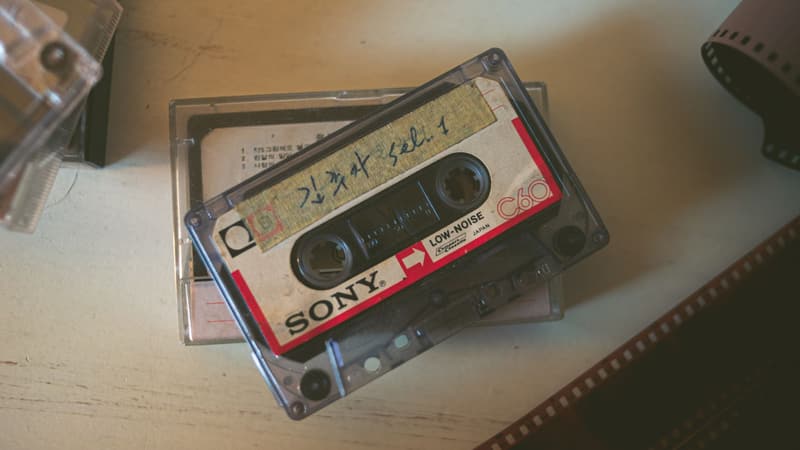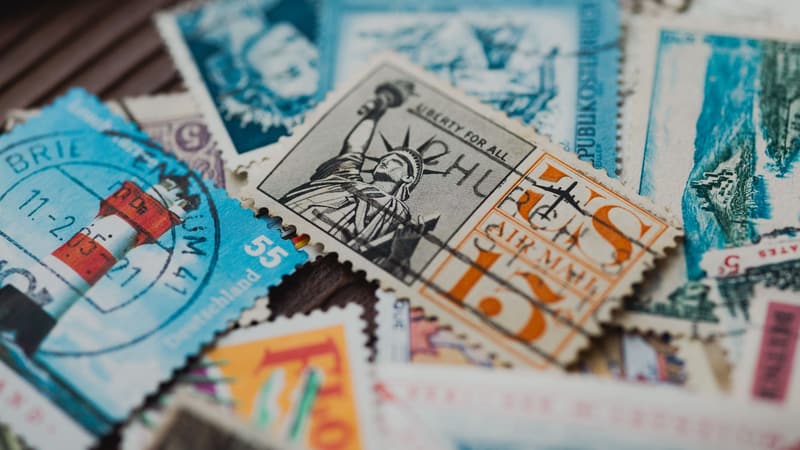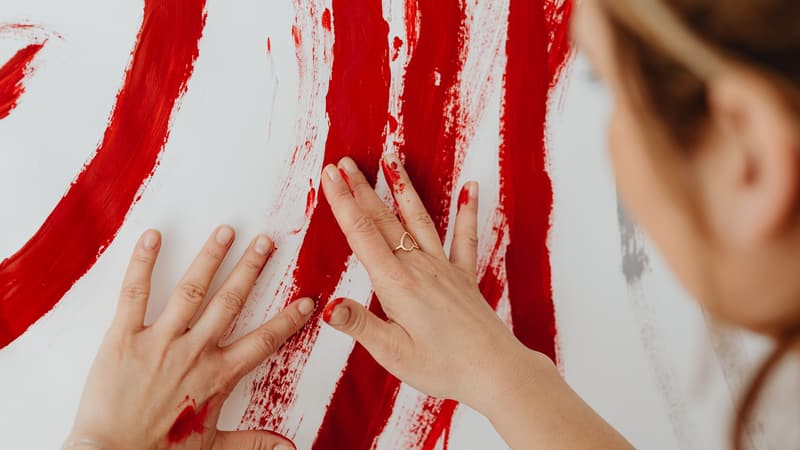

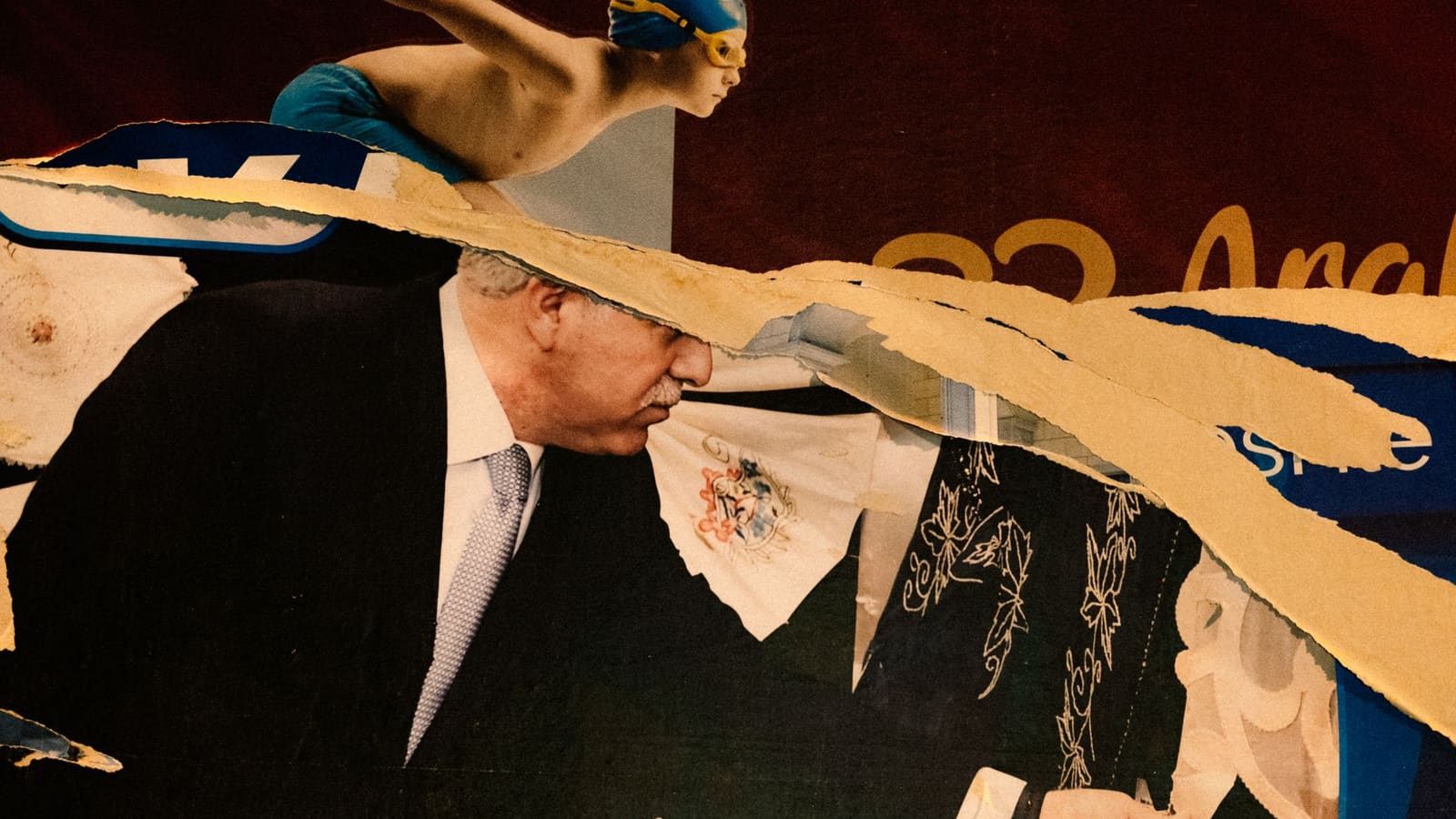
There is a specific, satisfying sound to a pair of scissors slicing through a glossy magazine page. It is a sound completely absent from the contemporary digital studio. For the last two years, visual culture has been overwhelmingly defined by the frictionless generation of Midjourney v6, DALL-E 3, and Stable Diffusion—tools that can conjure photorealistic worlds from a few keystrokes. But as the internet floods with algorithmically perfect, evenly lit, mathematically optimized images, a growing wave of artists are logging off, picking up X-Acto knives, and turning to physical cut-and-paste collage as the most subversive creative act of the decade.
The Gloss of Infinite Sameness
When generative image tools first crossed into mainstream awareness, they felt like magic. Now, they feel like a monoculture. The underlying models are trained to predict the most aesthetically pleasing, statistically average pixel arrangements. The result is a visual landscape plagued by algorithmic gloss—a certain plasticity in skin textures, a ubiquitous cinematic lighting, and a bizarre tendency to render landscapes with impossibly perfect rim lights.
More insidiously, these tools eliminate the friction of creation. You type, you wait three seconds, you receive. The image exists without ever having to be hunted, fought for, or physically manipulated. The output is infinite, but it is also endlessly the same. When everything can be generated at a zero marginal cost, the value of the individual image plummets. We are quickly approaching a point of aesthetic exhaustion, where the sheer volume of generated content numbs the viewer. In response, artists are seeking refuge in the one thing a prompt cannot generate: physical constraint and the undeniable evidence of a human hand.
The Tactile Rebellion
Across Brooklyn, Berlin, and Mexico City, the zine shelves at independent bookstores are thick with jagged edges and rubber cement. Contemporary collage artists are rejecting the latent space for the landfill, rescuing discarded media to build new visual vocabularies. This isn’t