
For ten years the streaming wars were a subscriber race. Netflix, then everyone. The story was always the same: spend billions on content, lose money, and hope you ended up with enough subscribers to justify it. That era is ending — not because anyone won, but because the fight moved.
The new streaming war is for creators.
The pivot
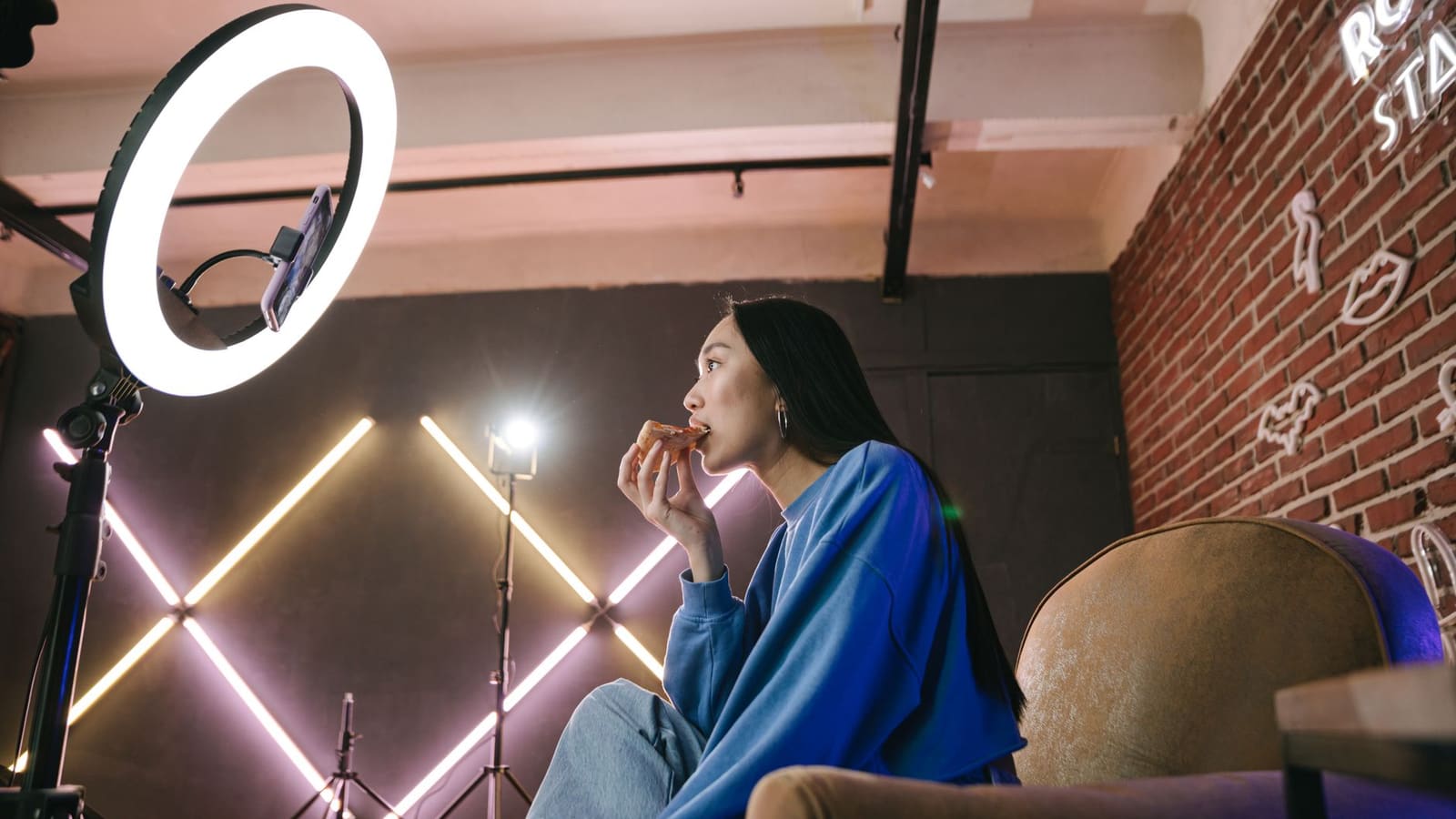
Platforms have realized that licensed catalog and prestige drama are expensive and slow. A single show can take two years and $200 million. A creator with a phone can produce a year’s worth of content for the price of one catering budget — and their audience is already loyal.
So the platforms are retooling their deals around the people who actually make things people watch:
- Revenue share on short-form video.
- Creator funds, grants, and exclusivity bonuses.
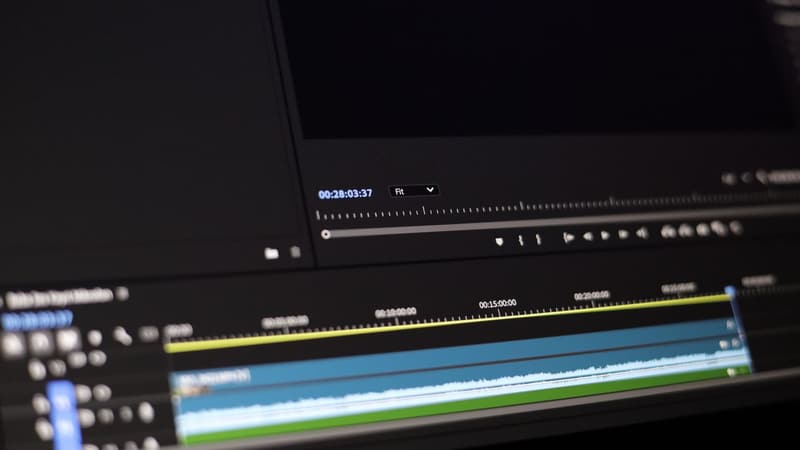
- Tools that let a single person edit, caption, and publish a polished piece in an afternoon.
“The old question was: which network has the best shows? The new question is: which platform is the best place to be a creator?”
Why creators have leverage
For the first time, a creator with a real audience can shop around. They are no longer dependent on a single platform’s algorithm. A newsletter, a Discord, a Patreon — the direct relationship is the asset, and the platform is just one of the pipes.
That leverage is rewriting deals. Exclusivity contracts that once bought a creator’s silence for years now come with bigger payouts and shorter terms. Platforms that treat creators badly lose them overnight — and the audience follows.
The bubble underneath
This is not a utopia for creators. The same dynamics that turned streaming into a money pit — overproduction, churn, unsustainable spend — could arrive in the creator economy too. Platforms are overpaying for exclusivity now because they are scared. When the fear fades, the deals will thin.
What survives
The creators best positioned are the ones who treated every platform as temporary: building an audience they can take with them, owning the direct relationship, and never letting a single algorithm decide their income. The platforms that survive will be the ones that figure out how to be the best partner to those people, not the best walled garden.