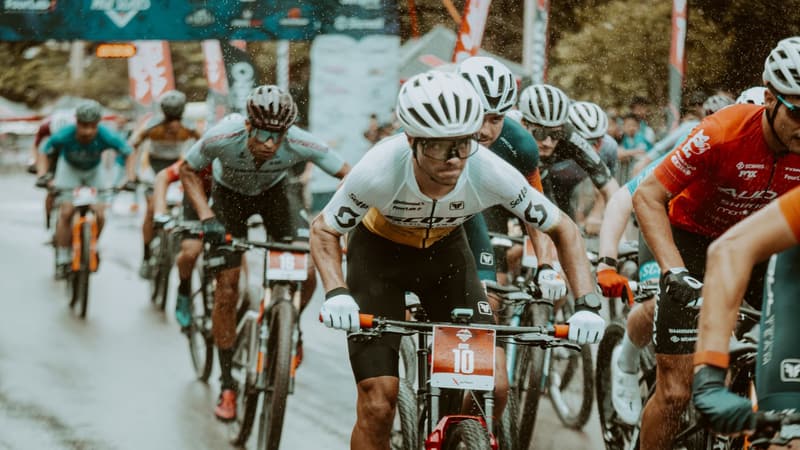

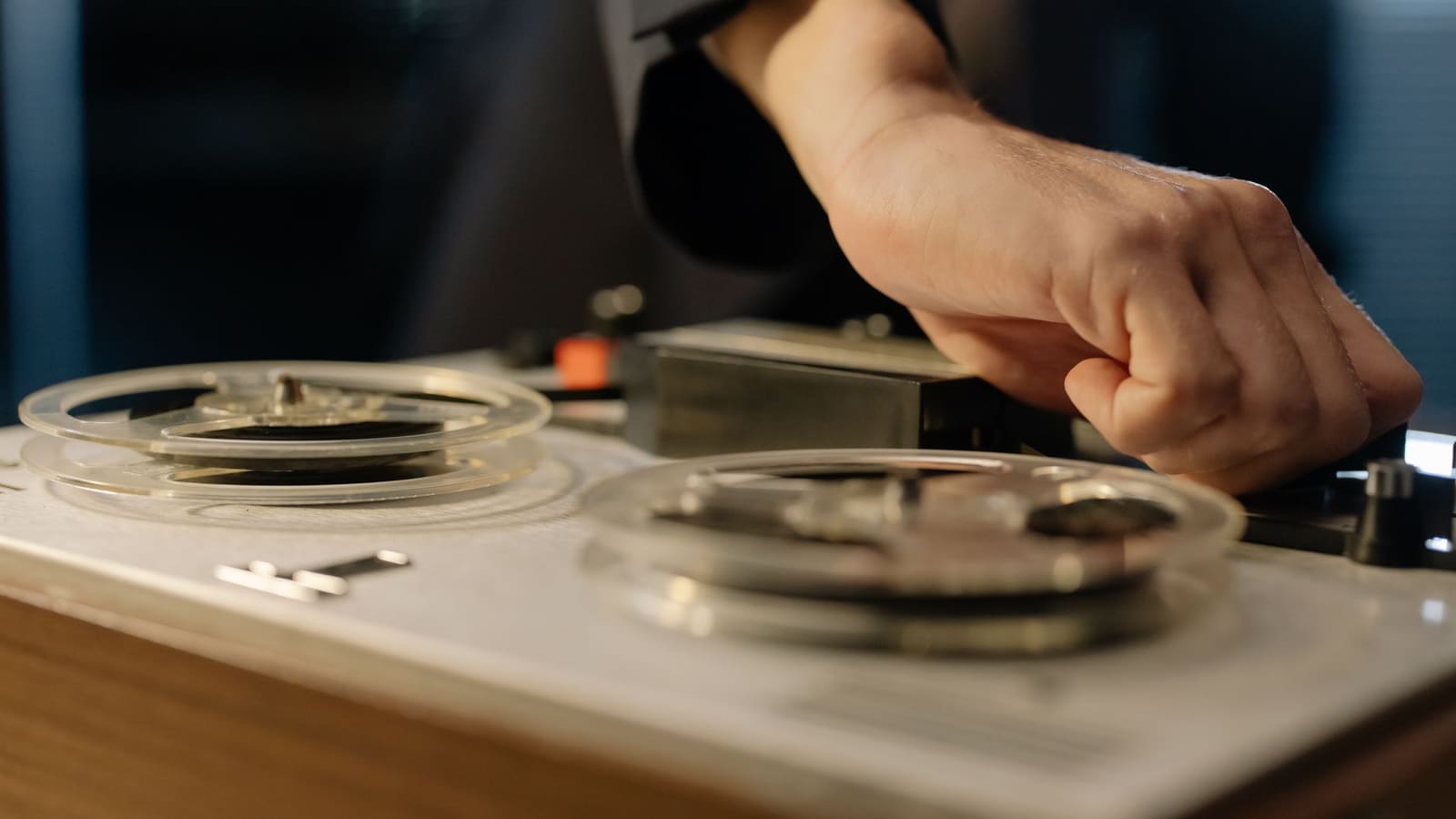
There’s a moment during Adrianne Lenker’s 2024 solo tour where the crowd sings back the lyrics to “anything”—a track from her 2020 album songs—with such unified devotion that the room seems to levitate. Lenker stops playing guitar. She just listens. The song belongs to the audience now, and the album it came from is essentially free on Spotify, earning fractions of a cent per stream. The ticket to be in that room, however, cost $45. The vinyl repress at the merch table cost $35. The experience of singing it together: priceless is a word I’d rather not use, but you get the idea.
Something has inverted. For most of the twentieth century, the concert was the advertisement for the record. Tours existed to sell albums. Bands crisscrossed the country in vans that smelled like bad decisions because every ticket buyer might wander into a record store the next week and hand over twelve dollars for the LP. The recording was the product. The performance was the marketing.
Now it’s the other way around, and we all know it, but we haven’t fully reckoned with what it means.
The Economics of the Flip
The numbers are stark enough that they’ve become almost banal to cite. Spotify pays roughly $0.003 to $0.005 per stream. An artist whose song gets a million streams in a month earns something between $3,000 and $5,000 before labels, publishers, and managers take their cuts. Meanwhile, the average concert ticket price in 2024 hovered around $125, up nearly 20% from just two years prior. Taylor Swift’s Eras Tour grossed over $2 billion. Beyoncé’s Renaissance World Tour pulled in $579 million. Even mid-tier artists who can’t fill stadiums are finding that a 500-cap venue tour through the Midwest can generate more net income than a year of streaming.
The album, in economic terms, has become a loss leader—the cheap milk at the back of the grocery store. You give it away (or nearly so) to get people through the door. The door, in this case, is the concert. The recorded music builds the audience; the concert monetizes it.
This isn’t speculation. It’s visible in the financial disclosures of every major label. Universal Music Group’s most recent annual report shows merchandising and live-adjacent revenue growing faster than recorded music streaming. Warner Music Group has invested directly in merch companies and live-music platforms. The labels have read the spreadsheet and repositioned accordingly.
What the Recording Loses
Here’s where it gets interesting, and a little sad.
When the album was the product, artists had every incentive to make it dense, replayable, and deep. You wanted a record that would reward forty listens, because forty listens was how you sold a million copies. Pink Floyd spent months getting the transitions on Dark Side of the Moon exactly right. Fleetwood Mac re-recorded nearly all of Rumours after the initial sessions. Steely Dan existed essentially as a studio project—Becker and Fagen toured reluctantly, if at all, because the records were the point.
When the album becomes an advertisement for the tour, the incentives shift. You need songs that translate to a live setting. You need moments that will land when ten thousand people are standing in an arena. You need the big chorus, the drop, the visual cue. You don’t necessarily need the headphone detail, the buried violin in the left channel, the eleven-minute closer that only makes sense when you’re alone in your apartment at 1 a.m.
The album used to be the destination. Now it’s the map. And nobody buys a map to frame it on their wall—they buy it to get somewhere.
Some artists are pushing against this. The National’s First Two Pages of Frankenstein and Romance by Fontaines D.C. are both records that feel designed for private, repeated listening rather than crowd eruption. Vampire Weekend’s Only God Was Above Us rewards attention in a way that a festival set can’t fully capture. But these are increasingly the exception, and even these bands tour relentlessly behind the work, because they have to.
The Merchification of Sound
There’s a parallel trend worth noting: the physical album as collectible. Vinyl sales have grown for seventeen consecutive years, hitting 43 million units in the U.S. in 2023. But the function of vinyl has changed. Nobody’s buying a $40 Olivia Rodrigo picture disc because it sounds better than Spotify. They’re buying it because it’s a tactile artifact of fandom—a thing to hold, display, and maybe get signed at the merch table. The record has become merch, which is to say it’s become part of the concert economy rather than the recording economy.
This has a few consequences:
- Albums are shorter. The average pop album has dropped from around 14 tracks to 10 or fewer over the past decade. Less risk, less filler, fewer tracks that don’t “work live.”
- Singles matter more than sequencing. Streaming playlists reward standalone tracks. The album as a coherent listening experience is increasingly a niche pursuit.
- Live versions compete with studio versions. Artists like Hozier and Noah Kahan have released live albums that stream almost as well as their studio counterparts, further blurring the line between recording and performance.
- The visual album has become a touring blueprint. Beyoncé’s Renaissance and Swift’s Midnights were conceived with their stage productions in mind from the start.
Who This Serves, Who It Doesn’t
The inversion is not uniformly bad. For artists who thrive on stage, it’s a return to a pre-recording-era model, where musicians made their living performing. The Grateful Dead were ahead of their time in this sense—they understood decades ago that the live experience was the product and the tapes were community currency. Phish inherited this. The jam band economy has always lived in the inverted model.
But for artists whose gifts are primarily studio-bound, the flip is brutal. Think of artists like Kate Bush, who built immersive, layered records that could never fully exist on stage—or Sufjan Stevens, whose most ambitious work involves arrangements that require a small orchestra. The market now asks these artists to either adapt to the road or accept diminished commercial relevance. Some do both beautifully. Others simply disappear.
There’s also a generational dimension. Younger listeners who grew up with streaming don’t necessarily value recordings as permanent objects. A song is a stream, a TikTok sound, a concert memory. The notion that a record is a fixed, canonical text—a thing to be studied and returned to—feels increasingly quaint, like citing a VHS tape.
The Art Form That Remains
Recorded music isn’t dying. It’s more ubiquitous than ever. But its role has changed, and that change shapes what gets made, how it’s made, and what we lose when only the most stage-ready songs survive the economic filter.
The recording was once the monument. Now it’s the scaffolding. And while scaffolding is essential—you can’t build the cathedral without it—nobody stands in awe of scaffolding. They stand inside the cathedral, surrounded by other people, singing.