
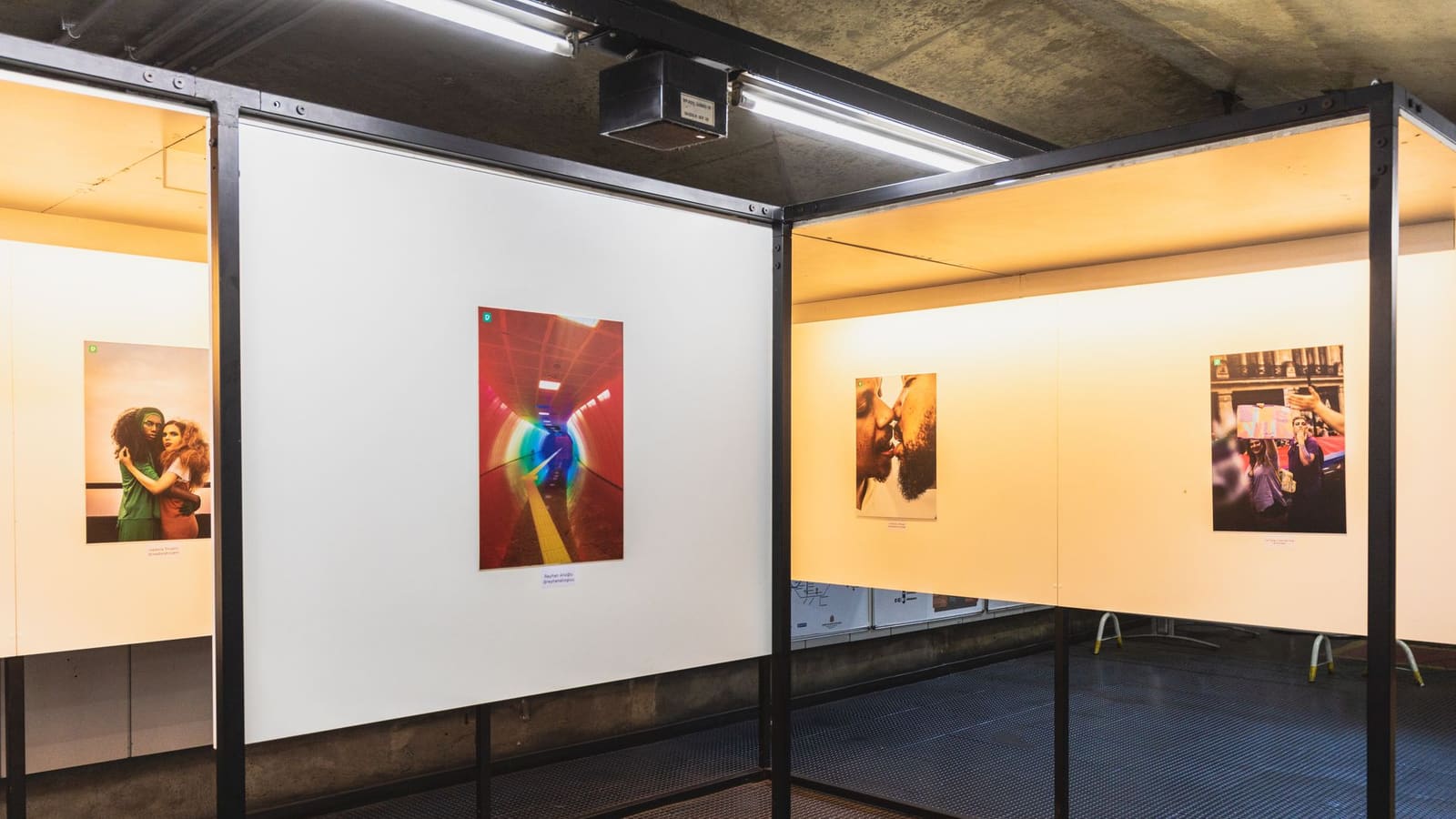
There is a particular silence that falls over a room when someone is organizing their life into an exhibition. Not for a public audience, not for a portfolio, but for themselves. On the desk sits a glass vitrine containing a broken watch, a twist of copper wire, and a transit ticket from Berlin. On the screen behind it, an Obsidian vault mirrors the exact same impulse: a meticulously tagged, cross-referenced archive of half-finished essays, voice memos, and screenshots of fleeting digital interactions.
We are witnessing a quiet but pervasive shift in how creatives process their lived experience. The era of broadcasting every thought to the infinite scroll is giving way to a desire for deep, intentional archiving. Writers, designers, and artists are treating their own lives as source material, building personal museums that bridge the physical and the digital.
The Digital Wunderkammer
For the past decade, the default method of storing creative inspiration was the cloud. We hoarded thousands of images in Google Drive folders with names like “Inspo” or “Colors,” destined to be opened never again. But a new cohort of creatives is rejecting the shapeless void of cloud storage in favor of structured, intentional environments.
The clearest digital manifestation of this is Are.na. Operating as an anti-social network, Are.na strips away the vanity metrics. There are no likes, no follower counts, and crucially, no algorithmic feed. Instead, users build “channels” by connecting blocks of text, images, and links. It is a digital cabinet of curiosity, where the value lies in the juxtaposition of ideas. A graphic designer might have one channel dedicated to brutalist typography, another to textures of decayed concrete, and a third entirely to their own daily thoughts, treating their internal monologue with the same archival reverence as a piece of visual research.
For writers, the tool of choice is often Obsidian or Notion. Obsidian’s local, plain-text structure allows users to map their own minds via bi-directional links. When a writer links a daily journal entry to a fleeting idea they had three years ago, they aren’t just storing data; they are building a spatial architecture of their own intellectual history. They are curating a private exhibition of their own evolution.
Glass, Wood, and Ephemera
This curatorial impulse is spilling out of the screen and into the physical world. Walk into the studio of a working illustrator or industrial designer today, and you are increasingly likely to find a vitrine—a glass-fronted cabinet or a shadow box—displaying seemingly worthless objects.
It’s a modern adaptation of a practice pioneered by artists like Joseph Cornell, who spent decades in Queens constructing wooden boxes filled with found ephemera to create miniature, poetic worlds. Today’s creatives are building these vitrines as personal micro-museums. The contents are highly specific: a set of spent matches from a memorable dinner, a broken piece of pottery found on a beach in Portugal, a prototype of a failed design, a misprinted business card.
The physical vitrine serves a different purpose than the digital archive. It demands friction. To place an object behind glass requires a deliberate decision that this specific item is worth preserving. It elevates the detritus of daily life into artifacts. In a culture where everything is infinitely reproducible, the physical museum anchors the creative to the tactile, the fragile, and the temporal.
The Architecture of a Lived Life
The methodology of the personal museum varies wildly depending on the discipline, but the underlying philosophy remains the same: context is the ultimate creative currency. Rather than letting the passage of time flatten their experiences, these creatives are actively categorizing their lives into distinct, navigable wings.
The structure of a personal museum typically relies on three distinct layers:
- The Macro Archive: The overarching database of a life. This is usually housed in a tool like Notion or Obsidian. It holds the raw data—daily logs, reading notes, meeting transcriptions, and project briefs—connected by a web of internal links.
- The Aesthetic Vitrine: Both physical and digital, this is where the visual and tactile artifacts live. In the physical world, it’s the shadow box on the studio wall. Digitally, it’s a highly curated Are.na channel or a private Instagram account with zero followers, used strictly as a visual diary.
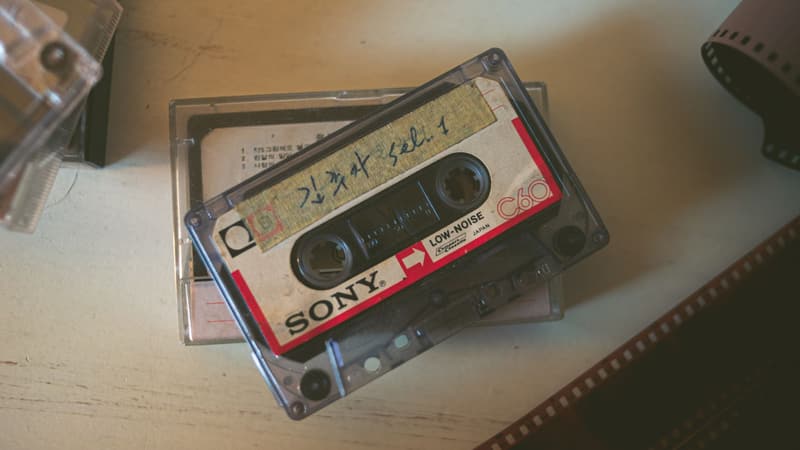
- The Sonic Vault: Often overlooked, the auditory environment is increasingly being preserved. Creatives are keeping meticulous libraries of field recordings, voice memos, and snippets of overheard conversations, categorized by location and mood, to inject a sense of specific time and place into their future work.
Against the Amnesia of the Feed
Why is this happening now? Because the modern internet is an engine for forgetting. Algorithms demand novelty, punishing yesterday’s content by burying it beneath today’s noise. Social media platforms operate on the implicit belief that our pasts are embarrassing and disposable, encouraging us to archive our stories every six months to start fresh.
The personal museum is a direct rebellion against this enforced amnesia. It is a refusal to let the flattening machinery of the web dictate the narrative of our own lives.
To archive is to refuse the amnesia of the feed. It is the act of looking at your own life and declaring that the mundane, the broken, and the unfinished are worthy of preservation.
By building these cabinets of curiosity, creatives are reclaiming their agency. They are no longer just producers feeding the algorithm; they are the sole curators of their own context. When a designer pulls a broken piece of plastic from their vitrine and pairs it with a note from their Obsidian vault, they aren’t just making a mood board. They are engaging in an act of deep remembering.
The personal museum does not require an audience. It does not need ticket sales, critical reviews, or a viral moment. It is a quiet, stubborn insistence that a life is not just something to be lived and discarded, but something to be carefully, lovingly cataloged. In building these spaces, creatives are doing something radical: they are proving that the most important exhibition they will ever curate is the one they walk through every single day.