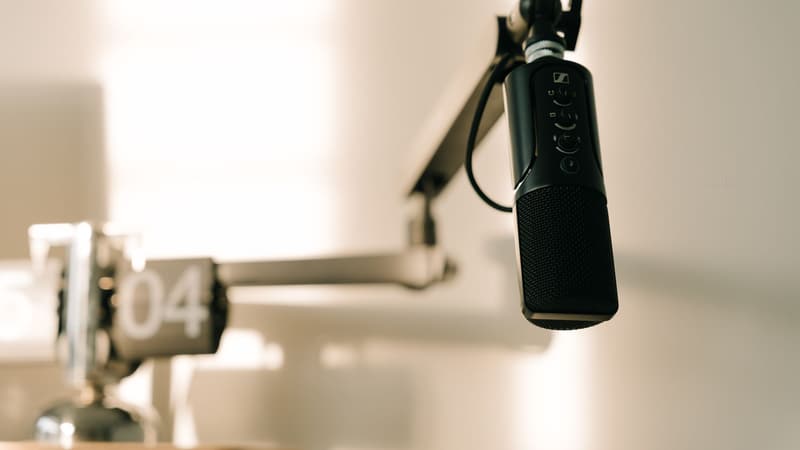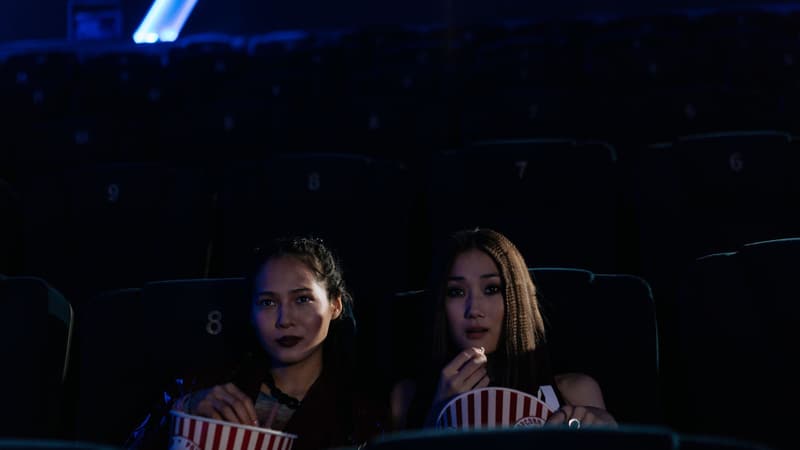

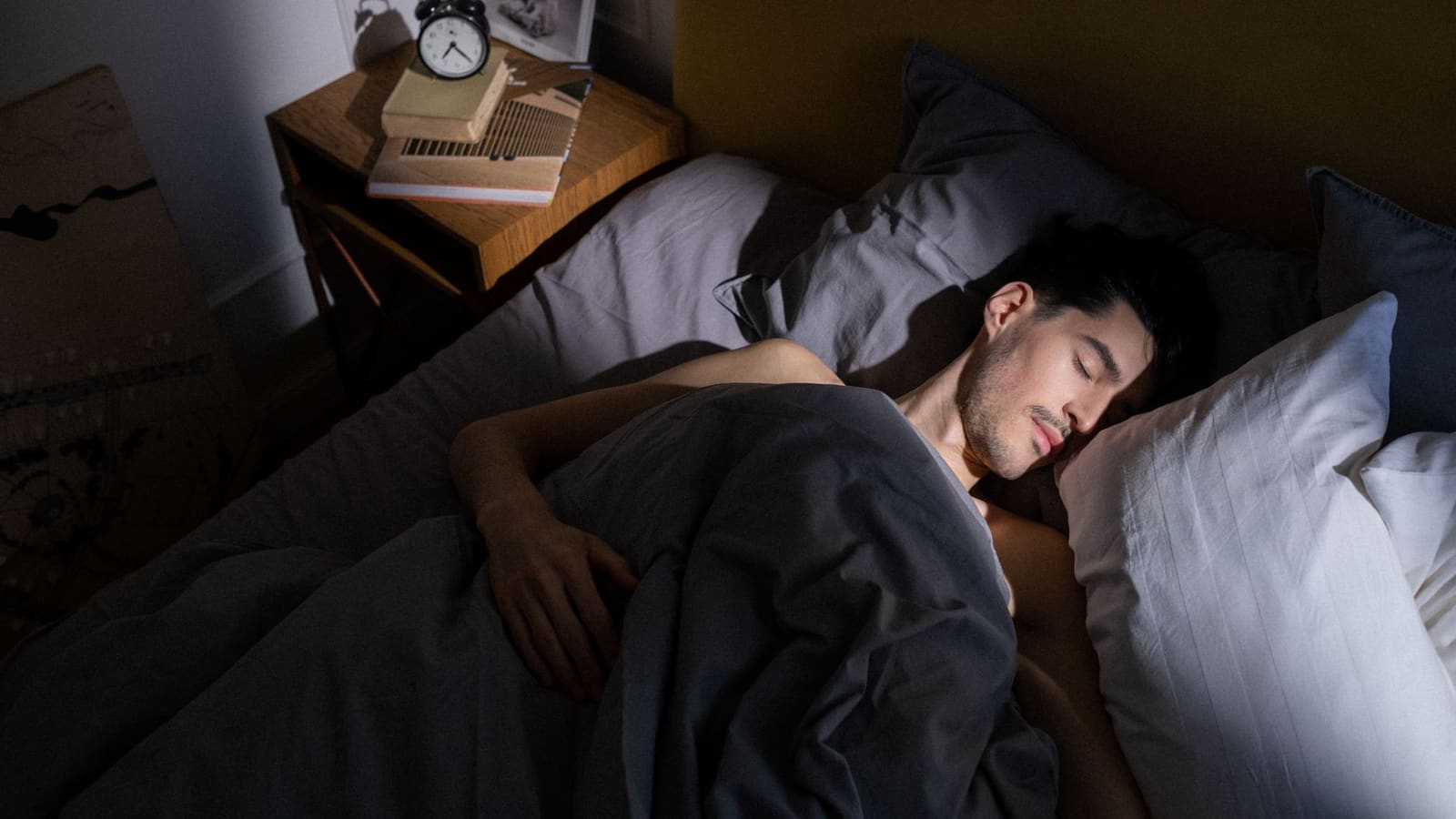
On a Tuesday night at 2:00 AM, roughly 30,000 people are watching a Twitch streamer sleep. The camera is fixed on a dark room, illuminated only by the neon glow of an LED strip. There is no plot, no dialogue, no climax. Across the internet on YouTube, another three million are looping a ten-hour video of rain falling on a tin roof, while a dedicated cadre of viewers is tuned into a twelve-hour 4K train ride from Bergen to Oslo. Nobody is paying attention, and that is exactly the point.
The Invisible Juggernaut
When industry analysts dissect the streaming wars, they talk about subscriber acquisition costs, churn rates, and the latest prestige dramas. They measure success in Emmy nominations and opening weekend viewership for tentpole series like House of the Dragon or The Bear. But beneath the loud, high-budget fight for our undivided attention, a parallel universe has quietly become the most-watched content category on the internet. We are in the midst of an ambient turn—a massive, decentralized shift toward low-stakes, background entertainment.
This isn’t just a niche subculture; it is a foundational pillar of modern digital consumption. Ambient content succeeds because it demands nothing. It is the digital equivalent of leaving the radio on in the other room. While prestige television requires you to track intricate character arcs and parse dense dialogue, ambient streaming simply asks you to keep the tab open.
From Norwegian Railways to Lofi Girl
The roots of this phenomenon trace back to 2009, when Norwegian broadcaster NRK aired Bergensbanen—a staggering seven-hour, uninterrupted broadcast of a train journey from Bergen to Oslo. It was a fluke hit, drawing 1.2 million viewers in a country of just five million. “Slow TV” was born, proving that audiences didn’t always need narrative propulsion; sometimes, they just wanted a window to look out of.
A decade later, the baton passed to YouTube and Twitch. The latter’s “Just Chatting” and “IRL” categories often blur into pure ambiance, but the most potent expression is the sleep stream. Streamers like Mizkif and AsianGuyStream pioneered the genre, turning their bedrooms into 24/7 broadcasts. Then came the musical equivalent: Lofi Girl. Originally launched as ChilledCow by a French student named Dimitri, the channel streams an endless loop of lo-fi hip hop beats over an animation of a girl studying. At any given moment, it boasts viewership that rivals prime-time cable news.
The ambient category has effectively splintered into distinct, highly specific niches:
- Environmental loops: High-definition crackling fireplaces, ocean waves, and rainstorms.
- Locomotive slow TV: Cab-view train journeys, drone flights over cities, and long-haul truck routes.
- Companion streams: Sleep streams, study-with-me videos, and 24/7 “cozy gaming” broadcasts.
The Economics of the Empty Room
From a business standpoint, ambient content is a miracle. A prestige drama costs millions of dollars per episode to produce, market, and license. A sleep stream costs the price of a webcam and a stable internet connection. For platforms, this is the ultimate arbitrage: infinite watch time generated at near-zero production cost.
YouTube’s algorithm heavily favors ambient content because it perfectly satisfies the platform’s two core metrics—retention and session time. A viewer watching a 40-minute sitcom might leave the app when the credits roll. A viewer who puts on a ten-hour rain video before bed is providing continuous, uninterrupted session time that pads the platform’s daily engagement statistics.
Twitch, similarly, relies on ambient streamers to maintain off-peak viewership. When the major gaming events end and the top streamers log off, the sleep streams and “cozy” channels keep the lights on. Advertisers may pay a premium for targeted commercials during a League of Legends tournament, but the steady, low-CPM ad drip over a 24/7 lo-fi stream provides a reliable baseline revenue stream that keeps the platform’s economy liquid.
The Rebellion Against Plot
But why are we watching? The rise of ambient content is not merely a byproduct of cheap production; it is a psychological counter-revolution.
For the last decade, our media diets have been hijacked by hyper-engagement. Streaming algorithms have relentlessly optimized for frictionless bingeing, pushing us toward cliffhangers, shock deaths, and kinetic, sensory-overload editing. We are exhausted. The ambient turn is a collective, unspoken refusal to participate in the attention economy on its own terms.
“Ambient media doesn’t ask for your focus; it asks for your presence. It functions as a digital hearth, providing the warmth of human or environmental activity without the burden of social interaction or narrative demands.”
We use these streams as digital pacifiers. They ease the jarring transition into sleep by masking the silence of a room. They provide the illusion of companionship while working from home. They act as a buffer against the intrusive thoughts that creep in when we are left alone with our own minds. By tuning into a train ride in Switzerland, we are engaging in a deliberate act of stasis.
The Future is Quiet
The major streaming services are slowly catching on. Netflix has experimented with its own ambient “Stories” and fireplace videos, realizing that not every minute spent on the app needs to be an active, lean-forward experience. But they are fundamentally behind. The ambient turn is a decentralized, user-driven movement. It thrives on the raw, unpolished nature of a random YouTuber leaving their camera on for ten hours, not on a heavily curated, corporate simulation of calm.
We have spent the last decade building an internet designed to hijack our attention, constantly screaming for us to look here, click this, watch next. The ambient turn is the quiet backlash. Millions of us are logging on, plugging in, and deliberately tuning out. The most successful content on the internet isn’t the stuff that keeps us awake; it’s the stuff that finally lets us rest.